Struggling to get your brand noticed in your local area?
Don’t worry—you’re not alone. Many small businesses and local entrepreneurs feel the same way. You have a great product or service, but the neighborhood just doesn’t seem to know about it yet. The good news is, there are simple, practical strategies to get your brand in front of the right local audience.
Let’s explore 9 Local Marketing Strategies that can help you boost your brand awareness and connect with your community. These ideas are easy to understand and implement—even if you’re just getting started!
-Get Listed on Local Directories
-Engage with Your Community on Social Media
-Partner with Other Local Businesses
-Run Local Events or Workshops
-Use Local Advertising (It’s Not Dead!)
-Invest in Local SEO
-Confirm Your Website is Mobile-Friendly
-Don’t Forget Your Local Media
-Leverage Your Ecommerce Activity
1. Get Listed on Local Directories
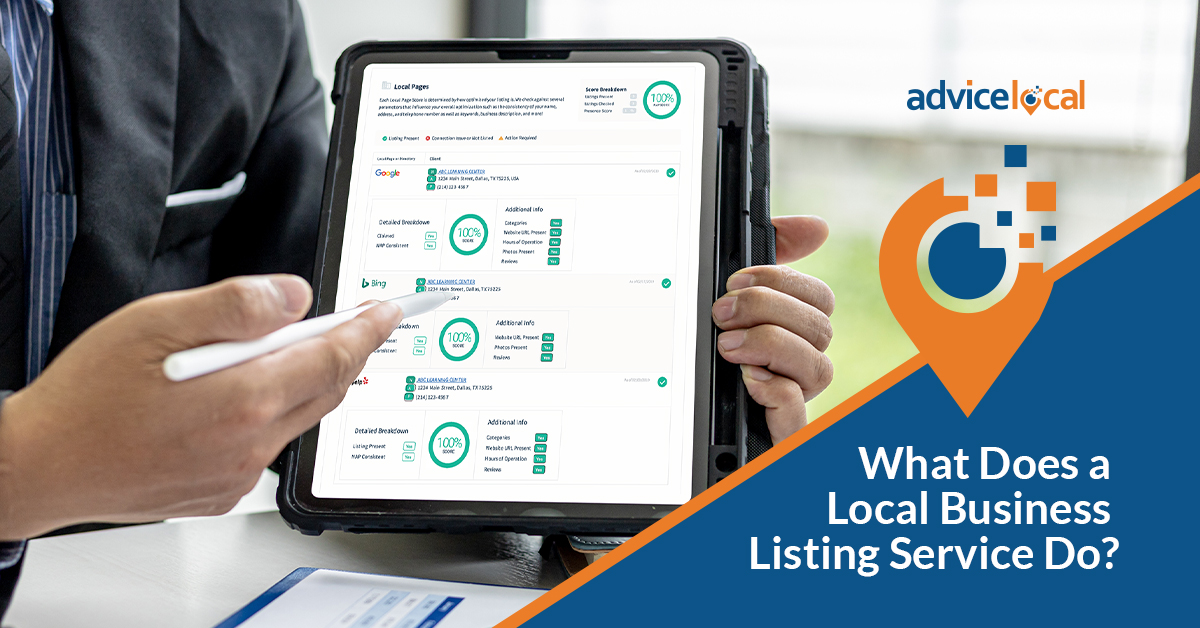
Local directories are like the digital version of the Yellow Pages (remember those thick books?). They help people in your area discover your business—whether they’re searching on Google, Apple Maps, Bing, or apps like Yelp, JustDial, or Foursquare. These platforms list important details like your business name, address, phone number, website, hours, and even customer reviews. In fact, for many people, their buying decision starts and ends with what they find in these listings.
Why Local Directories Matter and How to Get Listed the Right Way
If you want people nearby to find your business, local directories are a must. Platforms like Google My Business, Yelp, and Bing Places help build trust by showing your business as real and reliable. When customers search “near me” for services or products you offer, these directories put you front and center.
You’ve probably seen the “3-pack” listings at the top of Google search or Maps—that’s your prime real estate. If you’re not there, your competitors are stealing your potential customers.
Getting listed is simple but important. Start with Google My Business—claim your profile, verify it, and fill in all details like address, hours, photos, and descriptions. Then expand to other sites like Yelp or Apple Maps where your audience might look.
Make sure your business name, address, and phone number are exactly the same everywhere. Inconsistencies can confuse customers and hurt your search rankings. Also, encourage happy customers to leave reviews—positive feedback boosts trust and attracts more visitors.
Adding clear photos and a friendly description makes your listing more inviting. These small steps help your business get noticed, build credibility, and bring more local customers through your doo
2.Engage with Your Community on Social Media:

One common challenge local businesses face is feeling like an outsider—no matter how great their product or service is, their brand just doesn’t seem to fit into the local scene. The problem isn’t the quality of what they offer; it’s how they connect with their community. When your business feels like a stranger, people scroll past without a second thought.
The solution? Focus on creating local content that speaks directly to your community’s interests, needs, and culture. This means sharing posts about local events, celebrating neighborhood milestones, or simply giving shoutouts to nearby businesses. By doing this, you show that you’re not just there to sell—you’re a genuine part of the community fabric.
Using local hashtags—like #LondonCafe or #NYCBookstore, or good captions. —helps you reach the people who care most: those living nearby or interested in local happenings. Hashtags make your content easier to find and give it a local flavor that attracts followers who feel connected to your area.
But posting content isn’t just about being seen—it’s about engaging your audience so they want to take action. Content that resonates, entertains, or provides value is more likely to be watched, shared, and ultimately convert followers into customers.
For example, a small bakery might post photos and stories about special treats they’re preparing for a neighborhood fair. Better yet, collaborating with a local artist to design unique packaging can create buzz and show community support. These authentic stories make followers feel involved and excited about your brand, which builds loyalty and drives sales.
Remember, good content is the key. Focus on posts that tell a story, spark conversations, or solve a problem. When you consistently provide value and show your local roots, your brand becomes familiar and trusted—and people will naturally choose you over competitors
3.Partner with Other Local Businesses
Running a local business often feels like a solo marathon—you’re juggling everything on your own, from marketing to sales to customer service. The idea of partnering with other businesses can sound great in theory, but at times, it feels overwhelming or even impossible to coordinate.
But here’s the thing: teaming up with other local businesses is one of the smartest ways to reach new customers without having to do it all yourself. When two or more businesses collaborate, you share the workload, pool your resources, and tap into each other’s audiences. It’s a win-win.
For example, imagine a yoga studio partnering with a nearby healthy cafe to offer a “Yoga & Smoothie” package. The yoga studio gets to introduce its members to a new place to relax and refuel, while the cafe welcomes new customers who are already interested in wellness. Both businesses benefit without having to invest huge amounts of time or money on their own.
Yes, managing everything alone is tough, and adding partnerships into the mix might seem like extra work. But partnerships don’t have to be complicated. Start small—maybe just a simple shoutout on social media, or a flyer exchange at your locations. Over time, these little collaborations can grow into bigger opportunities.
By sharing the effort, you not only ease your workload but also build a stronger local network. Plus, customers love seeing businesses support each other—it creates a sense of community that reflects well on everyone involved.
4.Run Local Events or Workshops
One of the biggest challenges for local businesses is that people often feel disconnected from the brand. When your business feels distant or just another name online, it’s hard to build lasting relationships or get people excited about what you offer.
Hosting a local event or workshop is a great way to change that. And it doesn’t need to be a huge production—sometimes, even a small gathering or a simple demo can make a big impact. Events give people a chance to meet you face-to-face, experience your product or service firsthand, and feel like they’re part of something special.
For example, a bookstore could host a “Local Author Meet & Greet.” Even if only 10 or 15 people come, those attendees become brand ambassadors who spread the word to friends and family. It’s personal, memorable, and creates buzz that online ads just can’t match.
That said, reaching new people at the start can be tough. This is where partnering with other local businesses comes in handy. Teaming up means you can share the promotion load and tap into each other’s customer base. For instance, the bookstore could collaborate with a nearby cafe to offer coffee and snacks during the event. This way, both businesses attract a wider crowd and build community together.
Events and workshops don’t just increase visibility—they create real connections that turn strangers into loyal customers. When people experience your brand in a welcoming, interactive setting, they’re far more likely to remember and recommend you.
5.Use Local Advertising (It’s Not Dead!)
When you run a local business, digital ads can sometimes feel like shouting into a huge crowd—and your message gets lost in the noise. You want to connect with people nearby, not just anyone, and that’s where local advertising shines.
Local advertising isn’t outdated—it’s actually a smart way to get your business noticed by the right audience. Think beyond just online ads. Local newspapers, community magazines, neighborhood newsletters, and even radio stations are still powerful tools to reach your community directly. Plus, hyperlocal online ads—like Facebook’s geo-targeted ads—let you narrow your audience to just your town or neighborhood.
For example, if you run a handyman service, placing a small ad in the community newsletter or a local magazine helps people remember your name when they need a quick fix. Because your ad shows up in places they trust and see regularly, it feels more personal and relevant than a random online banner.
Local advertising helps you build familiarity and trust in your neighborhood. It’s about being present in everyday places your customers pay attention to—so when they need your service or product, you’re the first one they think of.
Since your business depends on local customers, investing in these kinds of ads can be a game-changer in reaching people right around the corner.
6.Invest in Local SEO
For local businesses, showing up on Google can be the difference between steady customers and being invisible. If your website is buried on page 10 of search results, most people will never find you. That’s where local SEO comes in—it’s about helping your website rank higher when people search for things like “best bakery near me” or “plumber in Chicago.”
Think of SEO as a long-term investment. It’s not instant—you won’t see your website jump to the top overnight. It’s like planting seeds: with time and care, it grows into steady, organic traffic you don’t have to pay for.
Good local SEO means adding local keywords (your city, neighborhood, landmarks) to your website content, getting backlinks from local blogs or news sites, and asking customers for Google reviews. Plus, make sure your Google Business Profile is up-to-date with the right address, hours, photos, and services—this helps you show up in local search and on Google Maps.
But since SEO takes time, it’s smart to also run Google Ads or paid campaigns while your SEO builds. Ads give you instant visibility so people can find you now, while SEO works in the background to bring in steady, free traffic later.
In short, if you want to be found online, you need to invest in local SEO. It’s a mix of smart content, community connections, and patience—because the best results come when you stay consistent.
- Confirm Your Website is Mobile-Friendly
When was the last time you hunted for the perfect sunset spot by firing up your laptop? Exactly. Your guests are on their phones—usually while they’re already out, looking for a rooftop with a view. If your site fumbles on mobile, you’re basically handing those sunset seekers to the lounge down the block.
Picture this: A couple wants rooftop cocktails at golden hour. They Google your venue, tap your link… and wait. The page crawls. The menu text is microscopic. The address is buried three clicks deep. Frustrated, they bounce—and you lose two prime-time seats.
A mobile-friendly site fixes that. It loads fast, shows clear photos of your skyline view, and lets visitors call, book a table, or open directions with one thumb. Big buttons, readable text, and a map that pops up instantly—that’s what keeps people pressing “Reserve,” not “Back., so get the website done it perfectly , if you doing it by yourself , i recommend do have local business templates from simplehyped or Have a local business webite developer.
Running a rooftop bar means your guests care about timing, weather, and capacity. They should be able to:
-
Check tonight’s hours and dress code.
-
Peek at the tapas and signature drinks.
-
Book a table or join the wait-list in seconds.
-
Tap once for walking or rideshare directions.
Give them that smooth, mobile experience and you won’t just rank higher—you’ll turn spontaneous searches into bodies on your deck, drinks ordered, and photos shared.
Mobile-friendly isn’t a luxury add-on. It’s how you meet guests where they already are: phones in hand, eyes on the horizon, ready to climb up to your rooftop. Make it easy, and they’ll be there before the sun dips.
ps: Have a good website hosting , whihc is really need.
-
- Don’t Forget Your Local Media
Here’s something a lot of small businesses forget: local media outlets are always looking for stories. Newspapers, radio stations, blogs, and community websites want fresh, local content—and your business could be the perfect feature.
Think about it—when you launch a new product, host an event, or win an award, that’s newsworthy. It’s a chance to get your business in front of a bigger audience without paying for ads. All you need to do is reach out. Send a simple press release or email to local journalists. Don’t overthink it—just tell them what’s happening and why their readers might care.
You can also pitch a story idea. For example, if you’re a fitness coach, offer to write an article for your local newspaper on “5 Easy Home Workouts for Busy Parents.” That’s helpful, relevant, and it gets your name out there in a natural way.
Local media exposure can do more than you think—it builds trust, creates buzz, and brings in new customers who might not have found you otherwise. So don’t be shy—make friends with your local media. They’re a powerful ally in helping your business grow.
- Leverage Your Ecommerce Activity
Just because you sell online doesn’t mean your local customers know you’re right around the corner. Sometimes people shop online and think, “Is this business even nearby?” That’s a missed opportunity to build stronger connections and bring in local support.
To fix that, make sure you highlight your local roots wherever you can. Offer things like local delivery or pickup so customers know they don’t have to wait forever or pay extra shipping fees. Mention your city or neighborhood in your product descriptions—it adds a personal touch and reminds people you’re part of their community.
Sharing stories or reviews from happy local customers helps too—it shows others nearby that people like them already love your products. And don’t forget to add a clear “Local Pickup Available” badge or note right on your online store.
For example, imagine a candle shop that proudly puts “Hand-poured in Austin, TX” on every product page and offers same-day delivery to local customers. That kind of local focus makes shoppers feel more connected and more likely to choose you over a big, faceless online retailer.
By leaning into your local ecommerce presence, you turn online shopping into a neighborhood experience—and that can make all the difference.
FInal recommendationsL:
1. Have privacy policy pages and make sure site is safe for the users ,like user passsword , fake email uses adn other on the website.
Local marketing isn’t about doing one big thing—it’s about doing a bunch of small, smart things that make your business visible and trustworthy in your community. When people see you everywhere online, in local events, on social media—they’ll think of you first when they need your products or services.
Start with a few of these ideas, build momentum, and soon you’ll see your local brand awareness grow.